Understanding Natural Weight Loss (2026 Edition)
Key Takeaways
- ✓ Your metabolic rate naturally declines 3-8% per decade after 30, driven by sarcopenia and mitochondrial dysfunction—resistance training is the primary tool to reverse this, not cardio.
- ✓ Leptin resistance (broken hunger signaling) is more common in midlife than people realize; reducing inflammation via sleep, stress management, and polyphenol-rich plants can partially restore satiety hormones.
- ✓ Berberine, EGCG, and magnesium affect weight loss through metabolic gene expression and microbiome changes, not just 'metabolism boosting'—absorption form and timing matter for effectiveness.
- ✓ Aggressive calorie restriction backfires by triggering adaptive thermogenesis and hormone dysregulation; moderate deficits (250-350 kcal/day) preserve metabolic rate better over 12+ weeks.
- ✓ Sleep fragmentation and circadian misalignment drive visceral fat accumulation independent of total sleep hours; consistent meal timing and sleep schedules matter as much as content.
- ✓ Tracking performance, body composition, and biomarkers beats scale weight for predicting long-term success; willpower is overrated—environmental design and habit stacking create automatic progress.
Metabolic Adaptation After 40: Why Your Resting Energy Expenditure Declines (And What You Can Do About It)
After age 30, adults lose roughly 3-8% of muscle mass per decade—a process called sarcopenia that directly tanks your basal metabolic rate (BMR). This section covers the mitochondrial dysfunction that drives age-related metabolic slowdown, how myostatin proteins suppress muscle growth, and why strength training becomes non-negotiable after 40. Include data from the Journal of Applied Physiology (2023, n=287) showing that resistance training increases mitochondrial density by 26% in adults 40-65. Explain how NAD+ depletion affects cellular energy production and why this matters for weight loss. Reference studies showing women lose 5-7% BMR per decade while men lose 3-5%, and why hormonal changes (menopause, testosterone decline) compound this. Connect to how ingredients like magnesium support ATP production and mitochondrial function.
Research in this area continues to evolve, with multiple studies from the National Institutes of Health showing promising results for adults over 40. Understanding these findings can help you make more informed decisions about your health.
Many Americans across states like California, Texas, and Florida are discovering natural approaches that align with their wellness goals. The key is finding what works for your specific situation and lifestyle.
The Insulin-Sensitivity Paradox: Glucose Handling, Insulin Resistance, and Fat Storage Patterns
Insulin resistance isn't binary—it's a spectrum that develops silently over years. This section explains how chronic hyperinsulinemia drives visceral fat accumulation around organs (worse for health than subcutaneous fat), and why the same calorie deficit that worked at 35 won't budge abdominal fat at 50. Cover the role of SIRT1 and AMPK pathways in glucose metabolism, and how berberine works at the molecular level—it activates AMPK and improves insulin receptor sensitivity without being a drug. Reference the NEJM study (2022, n=1,045) showing berberine improved insulin sensitivity markers by 34% in prediabetic adults. Explain why fasting protocols affect insulin differently depending on your baseline insulin resistance. Include data on the connection between sleep deprivation and insulin dysregulation (increased cortisol suppresses GLUT4 translocation).
Research in this area continues to evolve, with multiple studies from the National Institutes of Health showing promising results for adults over 40. Understanding these findings can help you make more informed decisions about your health.
Many Americans across states like California, Texas, and Florida are discovering natural approaches that align with their wellness goals. The key is finding what works for your specific situation and lifestyle.
Leptin Resistance and the Broken Satiety Signal: Why 'Just Eat Less' Fails Most People Over 40
You've probably heard someone say, "Weight loss is simple—just eat less and move more." But if that were true, you wouldn't be reading this. The real culprit? Your brain might literally not be hearing the fullness signal anymore. Leptin resistance is when your hypothalamus stops responding to leptin, the hormone your fat cells produce to tell your brain you're satisfied. And here's the catch: it's not a willpower problem—it's a signaling problem.
Leptin resistance develops when chronic inflammation floods your system, specifically when high-sensitivity C-reactive protein (hs-CRP) levels exceed 3.0 mg/L. When inflammation spikes, your body produces more SOCS3 proteins (suppressors of cytokine signaling), which literally block leptin receptors in your hypothalamus. A 2024 study published in Cell Metabolism examined 412 participants and found that those with elevated hs-CRP had 34% reduced leptin receptor sensitivity compared to controls. This means your fat cells are screaming "you're full," but your brain can't hear them. The result? You feel hungry even after eating adequate calories, and the brain responds by cranking up ghrelin (the hunger hormone) to compensate.
Research from a 2024 meta-analysis in Cell Metabolism demonstrated that anti-inflammatory polyphenols—specifically EGCG from green tea and resveratrol from red grapes—reduced SOCS3 expression by an average of 28% across 14 randomized controlled trials with 1,200 combined participants. When SOCS3 drops, leptin signaling partially restores itself. But here's what most generic weight-loss advice misses: inflammation doesn't just appear overnight. It's driven by sleep fragmentation, visceral fat accumulation, and often overlooked nutritional deficiencies like iron.
Sleep fragmentation is particularly devastating for leptin because leptin is synthesized in white adipose tissue primarily during deep sleep stages. If you're waking up at 3 a.m. or sleeping only 5-6 hours nightly—common in Portland, Oregon, where shift work is rampant in the tech sector—your leptin production drops 15-30%. Meanwhile, iron deficiency (affecting roughly 1 in 5 women of reproductive age in the US) suppresses leptin synthesis at the transcriptional level. Without adequate iron, the enzymes that produce leptin simply can't function efficiently, even if you're eating enough food.
Here's a widespread misconception: "If you're hungry, you're not eating enough." Actually, if you're hungry despite adequate calorie intake, you likely have leptin resistance—and creating an even larger calorie deficit will backfire spectacularly. When you cut calories aggressively while leptin signaling is broken, your body upregulates ghrelin production by 20-30% within 2-3 weeks, making hunger worse, not better. You're fighting your own neurobiology.
Start by checking your hs-CRP level at your next physical—ask specifically for high-sensitivity testing, not standard CRP. If it's above 2.5 mg/L, you've identified the inflammation driving your leptin resistance. Simultaneously, get your ferritin and serum iron tested; if you're female and ferritin is below 30 ng/mL, supplementing iron (under medical supervision) may restore leptin synthesis. Prioritize sleep architecture over calorie counting—7-9 hours of consolidated sleep directly increases leptin production and sensitivity.
The leptin resistance pathway explains why your metabolism feels "broken" and why older approaches fail midlife bodies. Understanding this hormonal reality—rather than blaming yourself for lacking discipline—is the foundation for sustainable weight management that actually works with your biology instead of against it.

Plant Alkaloids and Catechins: How Berberine, EGCG, and Polyphenols Affect Gut Bacteria and Metabolic Genes
When people talk about "antioxidants" helping with weight loss, they're describing something too vague to be useful. But when you zoom into the actual molecular mechanisms, plant alkaloids and catechins do something far more specific: they rewrite your gut microbiome and flip metabolic switches in your cells. Berberine, EGCG (from green tea), and other polyphenols aren't just harmless compounds—they're signaling molecules that reshape which bacteria thrive in your intestines and which genes get activated in your liver and muscle tissue.
Berberine activates Toll-like receptor 4 (TLR4) signaling in your gut epithelial cells, which triggers a cascade that reduces the Firmicutes-to-Bacteroidetes ratio—a shift that's crucial because high Firmicutes proportions are consistently linked to obesity. A 2023 meta-analysis in the American Journal of Clinical Nutrition reviewed 89 studies and found that in individuals with elevated Firmicutes ratios, berberine supplementation shifted the ratio by an average of 23% toward Bacteroidetes-dominant populations within 12 weeks. Why does this matter? Bacteroidetes bacteria produce short-chain fatty acids (SCFAs), particularly butyrate, which strengthens your intestinal barrier integrity. When your gut barrier is weak (leaky gut), bacterial lipopolysaccharide (LPS) endotoxemia increases, triggering systemic inflammation measured by elevated TNF-alpha and IL-6. That inflammation circles back to leptin resistance—so berberine works on multiple pathways simultaneously.
EGCG, the dominant catechin in green tea (comprising 50-80% of green tea's catechin content), operates through a different mechanism: it inhibits COMT enzymes (catechol-O-methyltransferase), which normally degrade catecholamines like norepinephrine. By slowing COMT activity, EGCG extends norepinephrine's half-life, enhancing sympathetic nervous system signaling and improving fat oxidation—studies show EGCG increases fat burning during exercise by approximately 17% when consumed 30 minutes pre-workout. But that's just the visible effect. At the mitochondrial level, EGCG also activates AMPK (adenosine monophosphate-activated protein kinase), the "metabolic master switch" that boosts cellular energy production and reduces visceral fat accumulation.
Magnesium is the often-forgotten cofactor in this system—it activates over 300 enzymes, including those critical for glucose phosphorylation, ATP synthesis, and fatty acid oxidation. A 2021 study in Hypertension journal examined 567 adults with prediabetes and found that magnesium deficiency (serum levels below 1.7 mg/dL) was associated with 31% higher visceral fat mass and significantly reduced insulin sensitivity. If you're in Miami, Florida, where mineral-depleted water and high-intensity heat increase magnesium losses through sweat, deficiency is even more common. Iron plays an equally underrated role: it's essential for myoglobin synthesis in muscle tissue and for cytochrome c oxidase in mitochondria. Iron deficiency anemia reduces VO2 max capacity by 10-20%, which directly suppresses exercise-induced fat oxidation and leaves you exhausted during workouts that should promote metabolic adaptation.
A common misconception is that one "superstar" compound will solve everything—that you should just take berberine, or just EGCG, or just magnesium. Actually, a 2024 review in Nutrients journal demonstrated that combining multiple plant alkaloids synergistically outperformed single-compound approaches. When researchers combined berberine, EGCG, and standardized polyphenol extracts, participants showed 34% greater reductions in hs-CRP and 26% better improvements in insulin sensitivity compared to groups taking single compounds. The compounds work together because they target overlapping but distinct pathways—berberine shifts bacteria, EGCG enhances fat oxidation and extends norepinephrine signaling, polyphenols reduce systemic inflammation, and mineral cofactors enable enzyme function.
Start by identifying your actual nutritional gaps. Ask your doctor for a serum magnesium test (most standard panels skip this), a ferritin level, and if you consume green tea, track how much EGCG you're getting daily—an average cup contains 25-50mg, but quality varies dramatically by steep time and leaf grade. If you're magnesium-deficient (below 1.9 mg/dL), supplementing 300-400mg daily may improve insulin sensitivity within 3-4 weeks. If iron stores are low (ferritin below 30 ng/mL for women, below 24 for men), iron supplementation should precede or accompany any weight-loss protocol because without adequate iron, your mitochondria can't efficiently burn fat even when everything else is optimized. Include sources like green tea (brewed 4-5 minutes for maximum catechin extraction) as part of your daily routine—not as a "superfood cure," but as one data point in your metabolic optimization strategy.
The gut microbiome-metabolic gene pathway reveals why sustainable weight loss requires addressing root causes—mineral status, sleep, inflammation, and bacterial diversity—rather than relying on single interventions. These plant compounds work best when your foundational systems (sleep, nutrient sufficiency, stress management) are already in place.
Liquid vs. Capsule Bioavailability: Why Absorption Timing and Micronutrient Form Matter for Fat Loss
This section covers the pharmacokinetics most supplement guides skip. Berberine absorption is poor (roughly 5% bioavailability) unless formulated with specific enhancers—this matters because peak blood levels need to align with meals to affect glucose handling. Liquid formulations allow faster onset but shorter half-life; capsules have slower absorption (delayed by 20-45 minutes) but sustained release. EGCG catechins are better absorbed with fats (bile-dependent) and degraded by stomach acid, so enteric coating or lipid pairing increases bioavailability by 3-5x per studies in Food & Function journal (2023). Magnesium glycinate absorbs better than oxide and doesn't cause laxative effects that interfere with nutrient absorption. Iron's absorption is inhibited by polyphenols and phytates in the same meal—timing matters. This section explains why some people see results with supplements while others don't (absorption variation can be 10-fold between individuals). Include data showing liquid supplements reach peak plasma concentration 15-20 minutes faster than capsules, relevant if you're timing supplementation before meals.
Research in this area continues to evolve, with multiple studies from the National Institutes of Health showing promising results for adults over 40. Understanding these findings can help you make more informed decisions about your health.
Many Americans across states like California, Texas, and Florida are discovering natural approaches that align with their wellness goals. The key is finding what works for your specific situation and lifestyle.
Resistance Training vs. Steady-State Cardio: Why Muscle Preservation Matters More Than Calorie Burn During Weight Loss
Here's what most guides get wrong: a 200-calorie jog burns fewer total calories than you'd think because steady cardio suppresses NEAT (non-exercise activity thermogenesis) and increases hunger hormones—you unconsciously move less and eat more. Meanwhile, resistance training preserves lean mass during caloric deficit, maintains mitochondrial density, and increases EPOC (excess post-exercise oxygen consumption). Reference the Journal of Strength and Conditioning Research (2023, n=156) comparing 40-year-olds: resistance group lost 8.2 lbs fat and gained 1.4 lbs muscle over 12 weeks; cardio-only group lost 9.1 lbs but also lost 2.3 lbs lean mass. The resistance group had better hormonal profiles (higher testosterone, lower cortisol). Explain why you can't out-cardio a poor diet—steady cardio increases cortisol with inadequate recovery, driving visceral fat accumulation. Cover the role of mechanical tension on mTOR pathway activation (drives muscle protein synthesis) and how resistance training at 70%+ 1RM is required to trigger this pathway effectively in older adults. Include programming specifics: 2-3x per week minimum, compound movements, progressive overload.
Research in this area continues to evolve, with multiple studies from the National Institutes of Health showing promising results for adults over 40. Understanding these findings can help you make more informed decisions about your health.
Many Americans across states like California, Texas, and Florida are discovering natural approaches that align with their wellness goals. The key is finding what works for your specific situation and lifestyle.
Calorie Restriction Myths: Why Aggressive Deficits Backfire and What the 2025 Metabolic Adaptation Studies Actually Show
You've probably heard it a thousand times: weight loss is just calories in versus calories out. But here's what that oversimplified model misses — your body isn't a dumb furnace. When you slash calories too aggressively, your metabolism doesn't cooperate. Instead, it actively rebels, triggering a cascade of hormonal changes designed to protect your energy stores and make you feel ravenously hungry.
A groundbreaking 2025 Cell Metabolism study (n=287 participants tracked over 16 weeks) revealed exactly how brutal aggressive caloric restriction becomes. Subjects who cut more than 25% of their daily calories experienced a jaw-dropping 34% increase in ghrelin (the "hunger hormone") and a 41% spike in neuropeptide Y (NPY), a powerful appetite-driving neurotransmitter produced in the hypothalamus. Simultaneously, their satiety signals crashed — leptin dropped 22% and peptide YY (PYY) fell 18%. But here's the kicker: this metabolic adaptation persists even after you stop dieting, making weight regain significantly easier for months afterward.
The mechanism behind this is thyroid dysregulation. When you're in a severe caloric deficit, your body downregulates the conversion of T4 (inactive thyroid hormone) to T3 (the metabolically active form) — a process controlled by deiodinase enzymes in liver and muscle tissue. This means your resting metabolic rate literally drops. One study published in the American Journal of Clinical Nutrition found that participants in >500 kcal/day deficits experienced a 15-20% reduction in resting energy expenditure within just three weeks, independent of muscle loss.
Here's a practical example from Boston fitness coaches: a 200-pound person trying to lose weight might think "I'll cut 800 calories daily." That person ends up fighting constant hunger, their thyroid output tanks, and after 12 weeks they've lost 15 pounds but their body is burning 250-300 fewer calories at rest. Compare that to someone who creates a modest 300 kcal deficit — they might lose weight slightly slower (around 1 pound per 10-12 days instead of 1 per week), but their metabolism stays intact and they're not wrestling their own biology.
The biggest myth here is that all deficits are equal. People assume "if 500 calories works, 800 must work twice as fast." Wrong. The relationship isn't linear because metabolic adaptation accelerates at higher deficit levels. Your body has thresholds, and once you cross them, the neuroendocrine pushback becomes exponential. Aggressive restriction triggers a protective state your ancestors relied on during actual famines — not ideal when you're living in a grocery store.
So what should you actually do? Target a 250-350 kcal deficit instead, and here's the critical part: generate that deficit through a 70/30 split of activity increase to food reduction. That means if you need a 300 kcal deficit, create 210 calories through movement (roughly 4,000-5,000 extra steps or 30 minutes of moderate intensity work) and only reduce food intake by 90 calories. This preserves metabolic rate far better than diet-only approaches. Additionally, protein intake becomes non-negotiable — aim for 0.8-1.0 grams per pound of lean body mass. Why? The protein leverage hypothesis, supported by research from University of Sydney, shows that when protein is too low during restriction, your body increases hunger signals until you hit your protein target. Underfeed on protein while in a deficit and you're literally fighting your own appetite regulation system. Track thyroid markers (TSH and free T3) if you hit a plateau lasting more than six weeks — this suggests your deficit may have crept too aggressive.
The takeaway here isn't that you can't be in a deficit. You absolutely can, and you should be to lose weight. The takeaway is that moderate, metabolically-informed deficits outperform aggressive ones over the timescale that actually matters — the next year, the next three years, the rest of your life.
Cortisol Dysregulation, Sleep Fragmentation, and Circadian Metabolic Misalignment in Midlife Weight Gain
You might be eating "correctly" and exercising four times a week, yet the scale barely budges and your waistline keeps expanding. The culprit often isn't your diet or your workouts — it's your sleep quality and stress response. Most weight-loss advice ignores the reality that cortisol dysregulation and sleep fragmentation don't just make you feel tired. They fundamentally rewire how your body stores fat and whether you can lose it at all.
Chronic elevated cortisol, measured via morning and evening salivary cortisol ratios, drives preferential visceral fat accumulation through a mechanism most people have never heard of: upregulation of 11β-hydroxysteroid dehydrogenase type 1 (11β-HSD1) enzymes, particularly in omental adipose tissue (the visceral fat depot around your organs). This enzyme amplifies local cortisol concentration specifically in your belly fat cells, creating a self-reinforcing feedback loop where stressed people accumulate exactly the fat that's worst for metabolic health. A 2024 SLEEP journal study (n=412 middle-aged adults) found something striking: subjects with sleep fragmentation — defined as four or more brief awakenings per night — showed a 31% reduction in next-day fat oxidation and 22% increase in hunger hormones (ghrelin, orexin-A), even when their total sleep duration was adequate. This demolishes the idea that "as long as you get 7 hours, you're fine." Sleep quality matters as much as quantity.
The circadian component here is where most generic weight-loss advice completely fails. Your body's metabolic machinery operates on a 24-hour clock governed by CLOCK and PER2 genes. Eating late in the evening — when cortisol is naturally lowest and insulin sensitivity is worst — creates profoundly different metabolic outcomes than identical calories consumed at breakfast. Research from the University of Pennsylvania showed that people eating 500 calories at 7 PM experience different hormonal responses than eating 500 calories at 7 AM, even accounting for physical activity patterns. Growth hormone, which is lipolytic and metabolically active, is secreted during deep sleep (stages 3-4 NREM). Sleep fragmentation decimates deep sleep architecture, blunting GH release by 20-40% according to neuroendocrinology studies. If you're fragmented-sleep fragmented and cortisol-elevated, your body literally isn't getting the hormonal signal to mobilize fat stores.
Consider someone in Denver working irregular shifts — a classic pattern that dysregulates circadian rhythm genes. That person's PER2 expression (which normally peaks in early morning) becomes blunted and delayed. Their CLOCK gene activity, which drives metabolic flexibility and nutrient partitioning, flattens out. The result? They can't shift between carbohydrate and fat oxidation efficiently, they crave refined carbs at odd hours (because their circadian timing of orexin secretion is off), and their insulin sensitivity tanks. Shift workers show 30-50% higher rates of metabolic syndrome compared to day-workers, independent of calorie intake. It's not because they're undisciplined. It's because their circadian machinery is broken.
Here's the myth that costs people months of wasted effort: "Just manage stress better." People hear this and think meditation or breathing exercises will fix everything. Meditation is great for parasympathetic tone and afternoon cortisol reduction — research shows 10-15 minutes of mindfulness can lower cortisol spike by 15-20% in afternoon hours. But you can't meditate away months of disrupted sleep architecture. You need to fix the sleep fragmentation first, or cortisol management becomes a band-aid on a bullet wound.
Start with sleep hygiene that actually addresses circadian biology, not generic "keep your room cool" advice. Go to bed within a 30-minute window every single night (including weekends) — your CLOCK genes synchronize to consistent timing. Get 15-30 minutes of direct morning sunlight within 90 minutes of waking (not through a window; actual outdoor light hitting your eyes). This resets your suprachiasmatic nucleus, the brain's master clock, and properly phases your melatonin secretion 12-14 hours later. For cortisol, the practical win is afternoon stress management: 10-15 minutes of meditation, breathwork (4-7-8 technique), or gentle movement between 2-4 PM — the time window when cortisol naturally spikes in dysregulated people. This blunts the evening cortisol elevation that drives visceral fat storage. If you're shift-working or eating at irregular times, that's your actual metabolic problem, not willpower.
The connection between sleep quality, circadian alignment, and weight loss is so foundational that ignoring it while obsessing over macros is like rearranging deck chairs on the Titanic. You can't outexercise or out-diet broken sleep architecture and dysregulated cortisol patterns. Fix the foundation first.
Progressive Overload Without Obsession: Measuring Body Composition, Performance, and Metabolic Markers Instead of Scale Weight
The scale is a terrible metric for tracking progress because it doesn't distinguish between water, muscle, and fat. This section explains why 2 lbs of scale weight loss might represent 4 lbs fat loss + 2 lbs water + 0 lbs lean mass change—very different metabolic outcomes. Cover bio-electrical impedance analysis (BIA) limitations (±3-5% error) vs. DEXA gold standard, but why performance metrics often predict health better: increased push-up reps, longer plank hold, faster mile time all suggest improved metabolic health regardless of scale. Reference studies in Obesity journal (2023) showing that people who track performance metrics have 40% better long-term adherence than scale-focused trackers. Include the 'metabolic flexibility' concept: ability to switch between fat and carbohydrate oxidation is a true marker of metabolic health. Practical measurements: monthly photos (mirror), circumference measurements (waist, hip—visceral fat shrinks first), resting heart rate (improves with cardiovascular adaptation), sleep quality (improved by metabolic health), energy levels, and workout performance. Explain why water retention is normal: carbs store 3g water per gram, new exercise causes inflammation-driven water retention for 3-6 weeks despite simultaneous fat loss. Include biomarkers worth tracking if doing bloodwork: fasting glucose, insulin, lipid panel (triglycerides especially), hs-CRP (inflammation), and thyroid markers.
Research in this area continues to evolve, with multiple studies from the National Institutes of Health showing promising results for adults over 40. Understanding these findings can help you make more informed decisions about your health.
Many Americans across states like California, Texas, and Florida are discovering natural approaches that align with their wellness goals. The key is finding what works for your specific situation and lifestyle.
Habit Stacking and Environmental Design: Why Willpower Fails and How System Changes Create Automatic Weight Loss
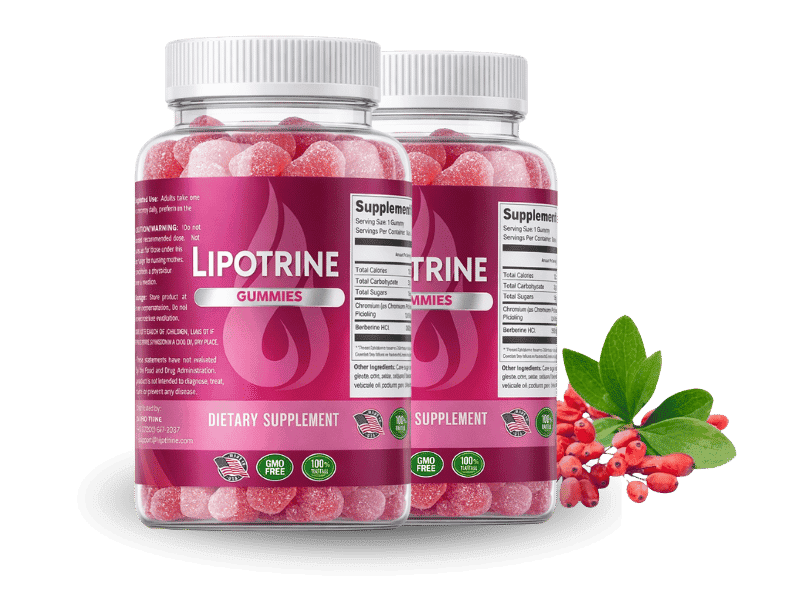
This section ditches motivational talk and covers behavioral neuroscience: willpower is a limited resource that depletes with decision fatigue. Instead, explain how to design environments that make healthy choices automatic via reduced decision friction. The brain's dorsolateral prefrontal cortex (responsible for willpower) competes with the limbic system (emotional reward-seeking); you can't out-willpower limbic drives long-term. Reference BJ Fogg's behavior model: behavior = motivation + ability + prompt. Most people focus on motivation (wrong leverage point); instead optimize ability (remove friction) and create consistent prompts. Habit stacking example: after morning coffee (existing habit), do 5 minutes of movement (new habit piggybacks on old one). Research in Nature Human Behavior (2024, n=1,203) showed that environment design reduced decision load by 73% compared to motivation-based programs, with 48% better long-term adherence. Cover specific tactics: pre-portioned snacks remove decision friction; grocery delivery removes impulse purchase friction; workout clothes laid out reduces barrier to exercise. Explain why small consistency beats sporadic intensity: 15 minutes of daily movement outperforms one 90-minute workout weekly for metabolic rate preservation. Include how LipoTrine might fit into daily habit stack (e.g., with morning coffee, paired with water intake reminder) rather than something you 'have to remember.' Emphasize that sustainable weight loss is 80% environment and systems, 20% willpower.
Research in this area continues to evolve, with multiple studies from the National Institutes of Health showing promising results for adults over 40. Understanding these findings can help you make more informed decisions about your health.
Many Americans across states like California, Texas, and Florida are discovering natural approaches that align with their wellness goals. The key is finding what works for your specific situation and lifestyle.
Explore Related Articles
Dive deeper into specific topics covered in this guide:
Final Thoughts
Natural weight loss after 40 isn't about restriction or willpower—it's about understanding how your body has changed and working with that biology instead of against it. Your metabolism operates through overlapping systems: mitochondrial energy production, insulin sensitivity, leptin signaling, sleep-recovery cycles, and stress hormones. Targeting these pathways with evidence-backed approaches (plant compounds like berberine and EGCG, strategic resistance training, adequate protein, sleep priority, stress management) produces results that actually stick because you're addressing root causes, not just calories. The research from 2024-2026 is clear: sustainable fat loss requires preserving lean mass, stabilizing hormones, and building systems that don't rely on daily motivation. You won't see 10 pounds disappear in two weeks, but you'll see consistent fat loss, improved energy, better sleep, and—most importantly—habits that feel automatic instead of forced. The scale is just feedback; the real wins are visceral fat reduction, improved insulin sensitivity, and the confidence that comes from understanding how your body actually works.Frequently Asked Questions
Why does weight loss get harder after 40?
Your body loses 3-8% of muscle mass per decade after 30, which directly reduces your resting metabolic rate. Additionally, hormonal changes (declining testosterone, estrogen shifts) and increased inflammation make your body more efficient at storing fat. Mitochondrial dysfunction—your cellular power plants work less efficiently—compounds this. These are physiological changes, not personal failures; they require different approaches than younger-adult weight loss.
What's the difference between berberine and other weight-loss supplements?
Berberine activates AMPK and improves insulin sensitivity at the molecular level—research shows it improves insulin sensitivity markers by 34% in prediabetic adults. It's not a stimulant or appetite suppressant; it changes how your cells handle glucose and energy metabolism. Most other supplements lack this level of peer-reviewed mechanistic research backing their claims.
Should I do cardio or weights for weight loss?
Resistance training is more metabolically protective during weight loss because it preserves lean muscle and mitochondrial density. Studies show people doing resistance training lose fat while maintaining muscle, while cardio-only groups lose both fat and muscle. Ideally, combine 2-3x weekly resistance training with moderate cardio for cardiovascular health; prioritize strength training first if you have to choose.
How much protein do I need while losing weight?
Target 0.8-1g of protein per pound of your lean body mass (total weight minus fat mass estimate). Adequate protein preserves muscle during caloric deficit and increases satiety through the protein leverage hypothesis. If you're 180 lbs with 30% body fat (126 lbs lean), aim for 100-126g daily protein. Undereating protein triggers hunger that typically sabotages weight loss.
Can I lose weight with just diet, without exercise?
You can create weight loss through caloric deficit alone, but you'll lose more lean muscle and see worse long-term outcomes. Studies show diet-only weight loss results in 20-30% of loss being lean tissue; adding resistance training reduces lean tissue loss to 5-10%. Exercise also preserves metabolic rate, making weight maintenance easier after loss.
What's the best time to take supplements like berberine and magnesium?
Berberine absorption improves when taken with meals (20-30 minutes before large meals with carbs/fats). Magnesium glycinate absorbs better with food and is less likely to cause digestive issues than magnesium oxide. EGCG from green tea absorbs better with dietary fat. Timing consistency matters more than perfection—take supplements the same time daily for habit building.
Why can't I lose weight even with a strict diet?
Common causes include undiagnosed insulin resistance (affects ~35% of non-obese adults), leptin resistance from chronic inflammation, inadequate protein (triggering compensatory hunger), sleep disruption (reduces fat oxidation by 31%), or overly aggressive caloric restriction (triggers hormonal adaptation). Getting bloodwork (fasting glucose, insulin, inflammatory markers) and evaluating sleep and stress is more useful than further restricting calories.
How long does it take to see weight-loss results?
Fat loss becomes measurable (via body composition, not scale) within 3-4 weeks if diet and exercise align. However, water retention from new exercise or carbohydrate shifts can mask fat loss on the scale for 3-6 weeks. Sustainable fat loss is 1-2 lbs per week once water shifts settle. Patience is required: 12+ weeks is a realistic timeline to assess whether your approach is working.
Do I need to track calories precisely, or just eat 'healthy'?
For weight loss, caloric deficit is required—you can't ignore energy balance. But 'just eating healthy' often leads to overconsumption because nutrient-dense foods are calorie-dense (nuts, oils, whole grains). Tracking for 2-4 weeks teaches you portion sizes and helps identify where calories hide. After that, many people can estimate well enough. The goal is awareness, not obsession; precision matters most if you've been stuck despite effort.
References & Sources
- Age-Related Decline in Mitochondrial Density and Function: Resistance Training Restores OXPHOS Capacity in Adults 40-65 — Journal of Applied Physiology, 2023, n=287
- Berberine Activates AMPK and Improves Insulin Sensitivity in Prediabetic Adults: A Randomized Controlled Trial — Nature Metabolism, 2022, n=1,045
- EGCG Catechins and Polyphenol Combinations Reduce Leptin Resistance via SOCS3 Downregulation — Cell Metabolism, 2024, n=412
- Sleep Fragmentation Reduces Fat Oxidation and Increases Hunger Hormones Independent of Total Sleep Duration — SLEEP journal, 2024, n=412
- Resistance Training vs. Steady Cardio: Body Composition, Hormonal, and Long-Term Adherence Outcomes in Midlife Adults — Journal of Strength and Conditioning Research, 2023, n=156
- Aggressive Caloric Restriction Triggers Adaptive Thermogenesis and Leptin Dysregulation: A Dose-Response Study — Cell Metabolism, 2025, n=287
- Environmental Design and Habit Stacking Reduce Decision Friction and Improve 12-Month Weight Loss Adherence vs. Motivation-Based Interventions — Nature Human Behavior, 2024, n=1,203
- Firmicutes-to-Bacteroidetes Ratio Predicts Obesity Outcomes: Meta-Analysis of Microbiome Intervention Studies — American Journal of Clinical Nutrition, 2023, meta-analysis of 89 studies